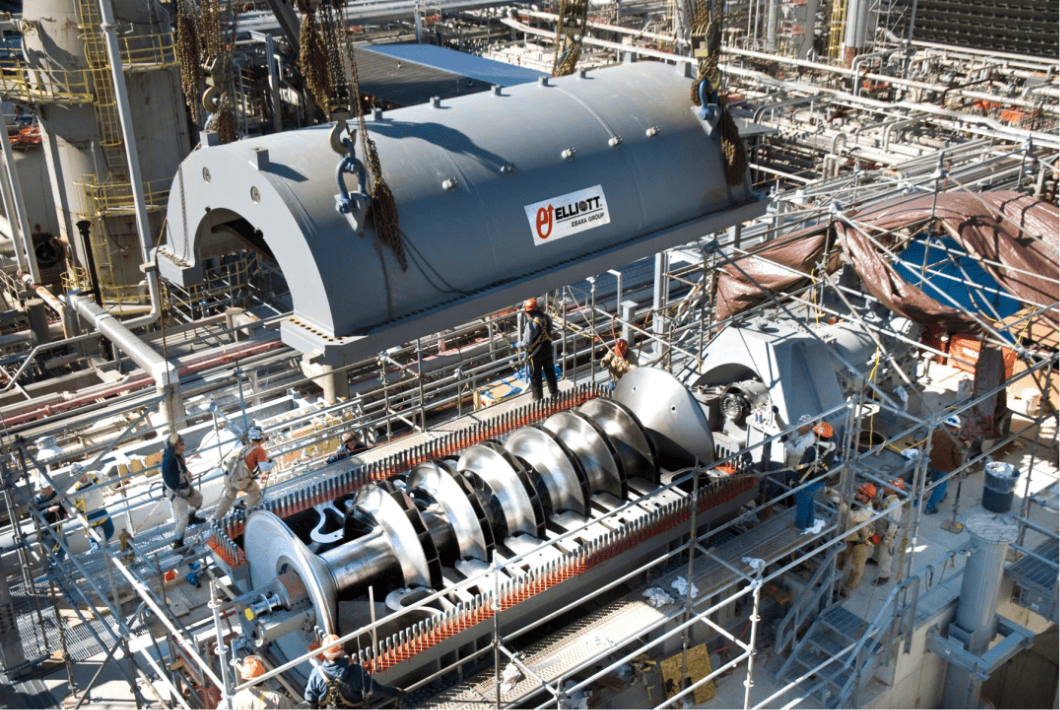
Compressors
Compressors are essential mechanical devices used to increase the pressure of gases, mainly natural gas, enabling efficient transportation, processing, and storage across oil and gas operations.
- Enable continuous gas flow and pressure control
- Improve operational efficiency and energy utilization
- Directly impact safety, reliability, and operating costs
Compressors are the driving force behind gas movement in the oil and gas industry, making large-scale production and transportation commercially viable
Pumps
Pumps are mechanical devices used to move liquids such as crude oil, water, chemicals, and refined products. Common types include centrifugal, positive displacement, and submersible pumps, used across production, pipelines, refineries, and utilities.
- Enable movement of liquids across processes
Maintain flow and pressure stability
Support production, transportation, and refining
Improve process efficiency and reliability
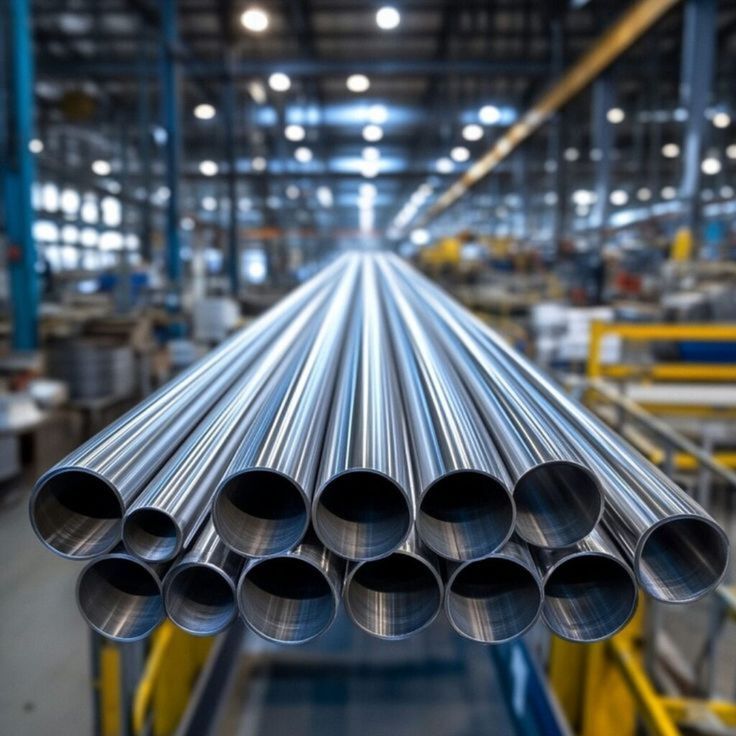
OCTG & Tubulars - Casings
Casing is a series of steel pipes installed in a drilled well to stabilize the wellbore, isolate underground formations, and ensure safe and efficient production of oil and gas. It is one of the most critical components in well construction.
Casings are cemented in place to create a strong, sealed well structure.
Proper casing design and installation ensure well safety, longevity, and regulatory compliance.
Failure in casing can lead to well control issues, environmental damage, and costly downtime.
Cement
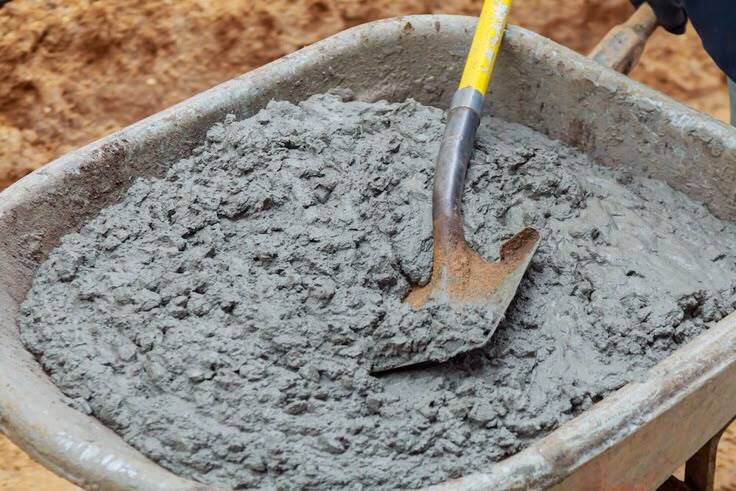
Cement is a vital construction material used in the oil and gas industry to secure well integrity, provide structural strength, and ensure environmental protection. It is commonly used both in well construction and surface infrastructure development.
- Ensures long-term well stability and environmental protection.
- Plays a key role in regulatory compliance and operational safety.
- Poor cementing can lead to well failure, contamination, and expensive remediation.
Chemicals
Chemicals play a crucial role in enhancing efficiency, safety, and asset protection across upstream, midstream, and downstream oil & gas operations. They are used during drilling, production, processing, transportation, and refining.
- Improve operational efficiency and equipment life
- Reduce maintenance costs and downtime
- Ensure environmental compliance and safety
- Enhance hydrocarbon recovery and product quality

Drilling Equipment & Tools
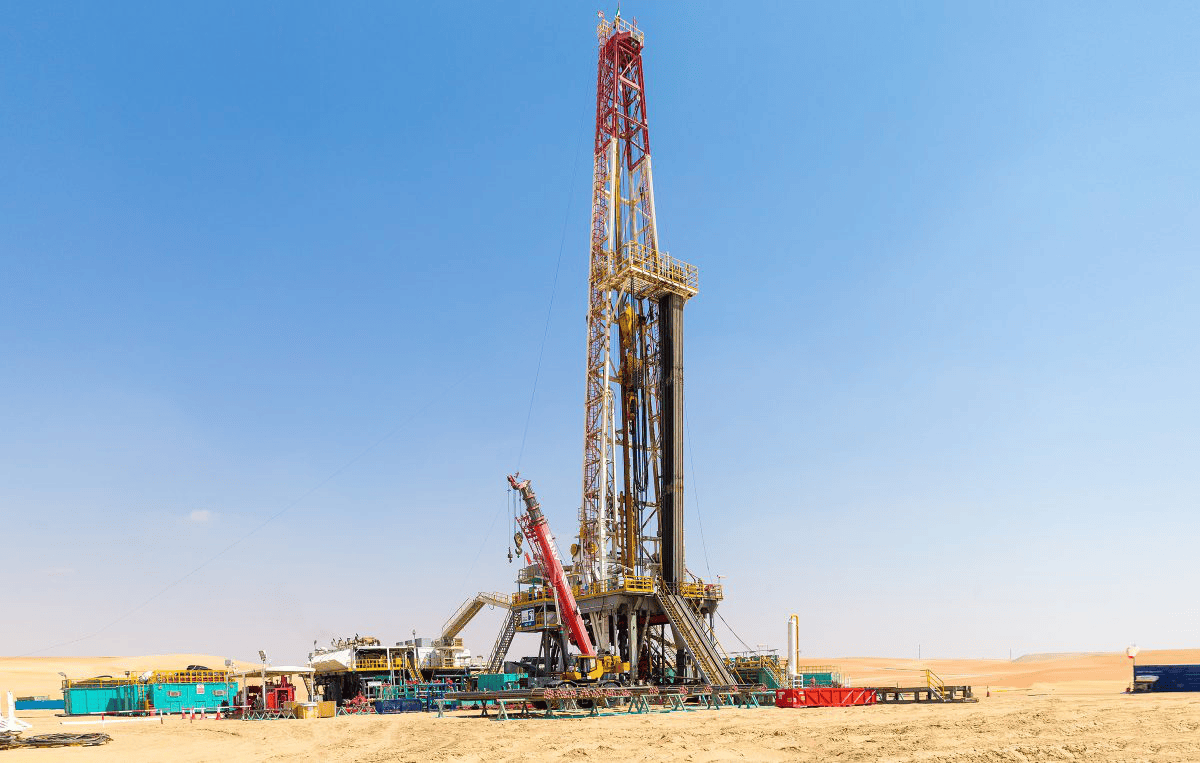
Drilling equipment and tools are used to drill wells into the earth’s subsurface to access oil and natural gas reservoirs. These tools work together to ensure safe, accurate, and efficient drilling operations under extreme pressure and temperature conditions.
- Enable accurate well placement and depth control
- Improve drilling speed and efficiency
- Enhance well safety and pressure management
- Reduce non-productive time (NPT) and operational risk
Electrical Equipment
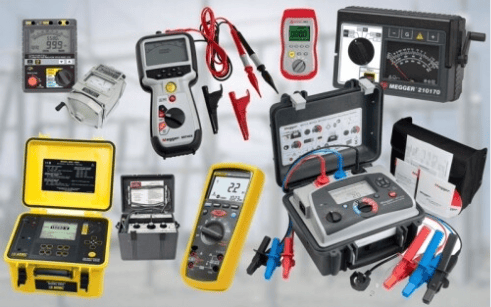
Electrical equipment is essential in the oil and gas industry for power generation, distribution, control, and automation across upstream, midstream, and downstream operations. These systems are designed to operate safely in hazardous and explosive environments.
- Ensures continuous and reliable operations
- Supports automation and remote monitoring
- Enhances personnel safety and regulatory compliance
- Reduces energy consumption and operational costs
Steel
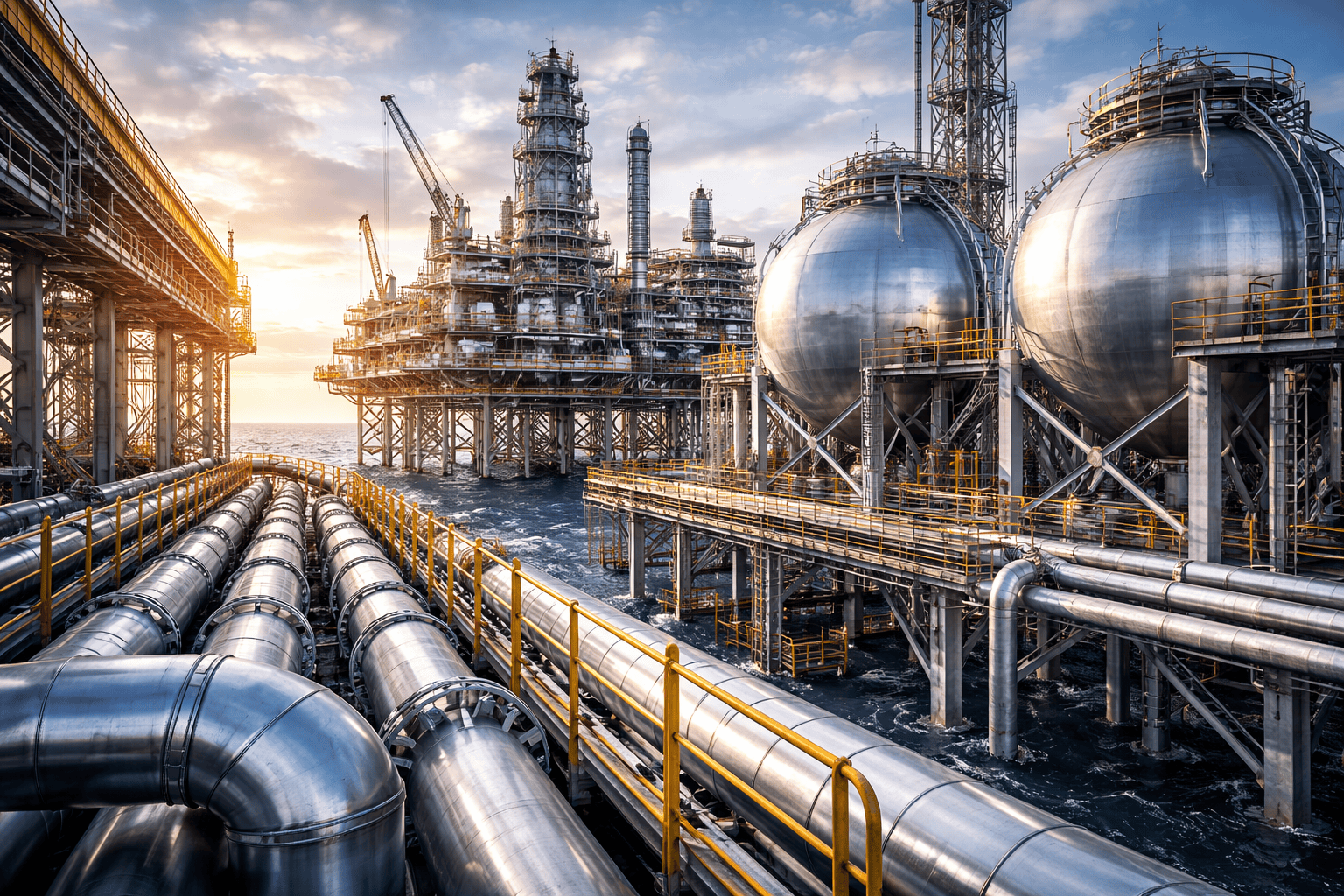
Steel is a primary construction material used for pipelines, storage tanks, platforms, structural frames, and pressure vessels. It provides strength, durability, and resistance to extreme environmental and operating conditions.
- Provide structural strength and durability
Withstand high pressure and harsh environments
Support pipelines, platforms, and facilities
Ensure safety and long service life
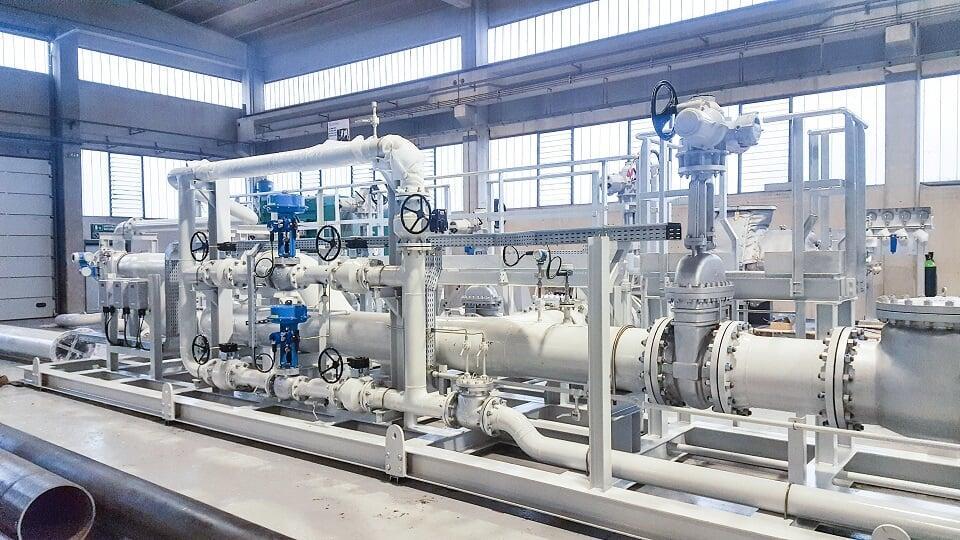
Valves
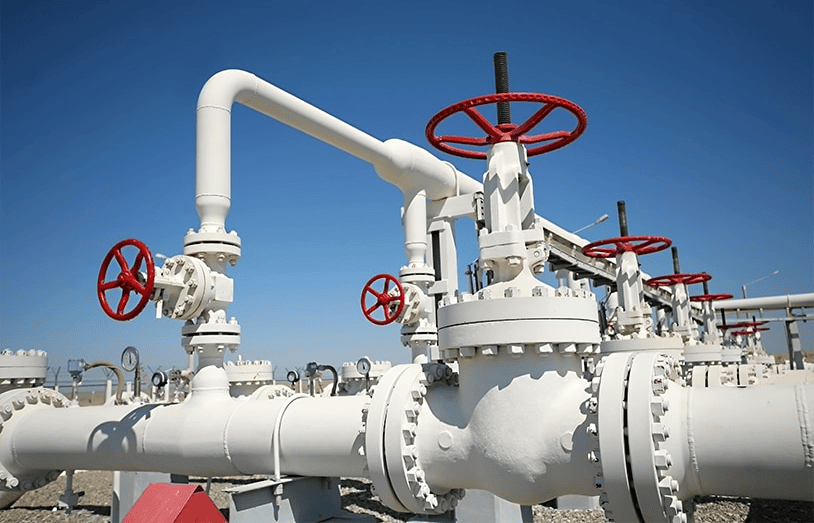
Valves control the flow, pressure, and direction of fluids and gases in pipelines and process systems. Common types include gate, ball, globe, check, and control valves, essential for safety, isolation, and process control.
- Control flow, pressure, and direction of fluids
Enable system isolation and safety shutdowns
Prevent leaks and operational hazards
Ensure process control and safety
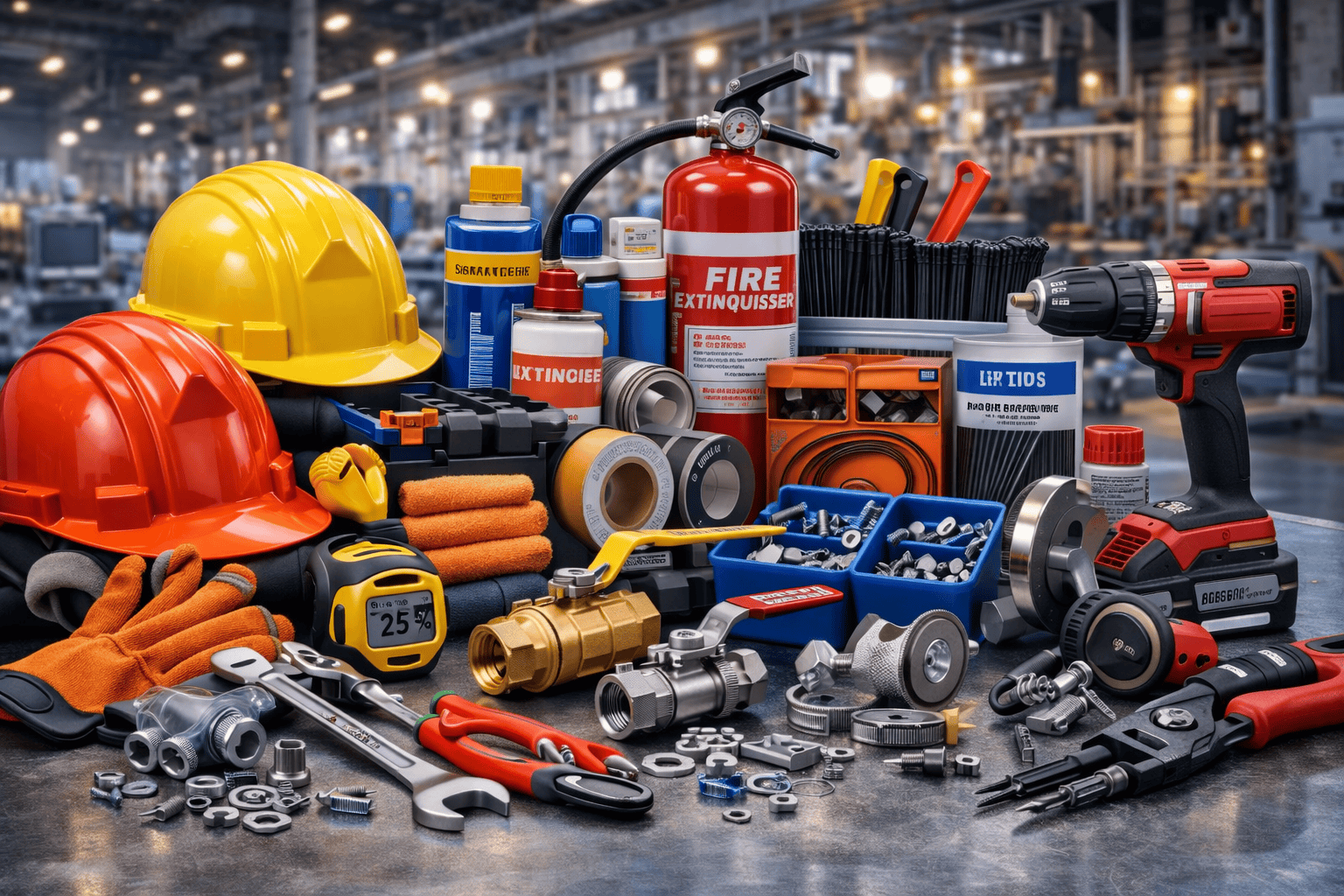
MRO Supplies
MRO supplies include tools, fasteners, seals, gaskets, safety equipment, electrical items, and consumables required for daily maintenance activities. They are critical for preventing downtime, ensuring safety, and maintaining operational continuity.
- Support routine maintenance and emergency repairs
Minimize unplanned downtime
Ensure workplace safety and compliance
Maintain continuous plant operations